After the 1938 November Pogrom – Kristallnacht, known as ‘the Night of Broken Glass’, when shopfronts splintered across Germany and Austria and homes burned, a group of Bradford Jews in West Yorkshire gathered to ask what they could do. Their answer was profoundly human and, therefore, radical: they opened their doors.
The Bradford Jewish Refugee Hostel was born from this act of care; an urgent, local response to Nazi terror. The initiative came from Clare Stroud and together with her husband Oswald, who led the recently created Bradford Jewish Refugee Committee, they galvanised supporters, funds and resources from across the local Jewish and non-Jewish community. In March 1939 the new refuge at 1 Parkfield Road welcomed its first 20 teenage boys. They were rescued via the Kindertransport scheme, carrying only fragments of their home lives and the faint promise of safety in this city of sanctuary.
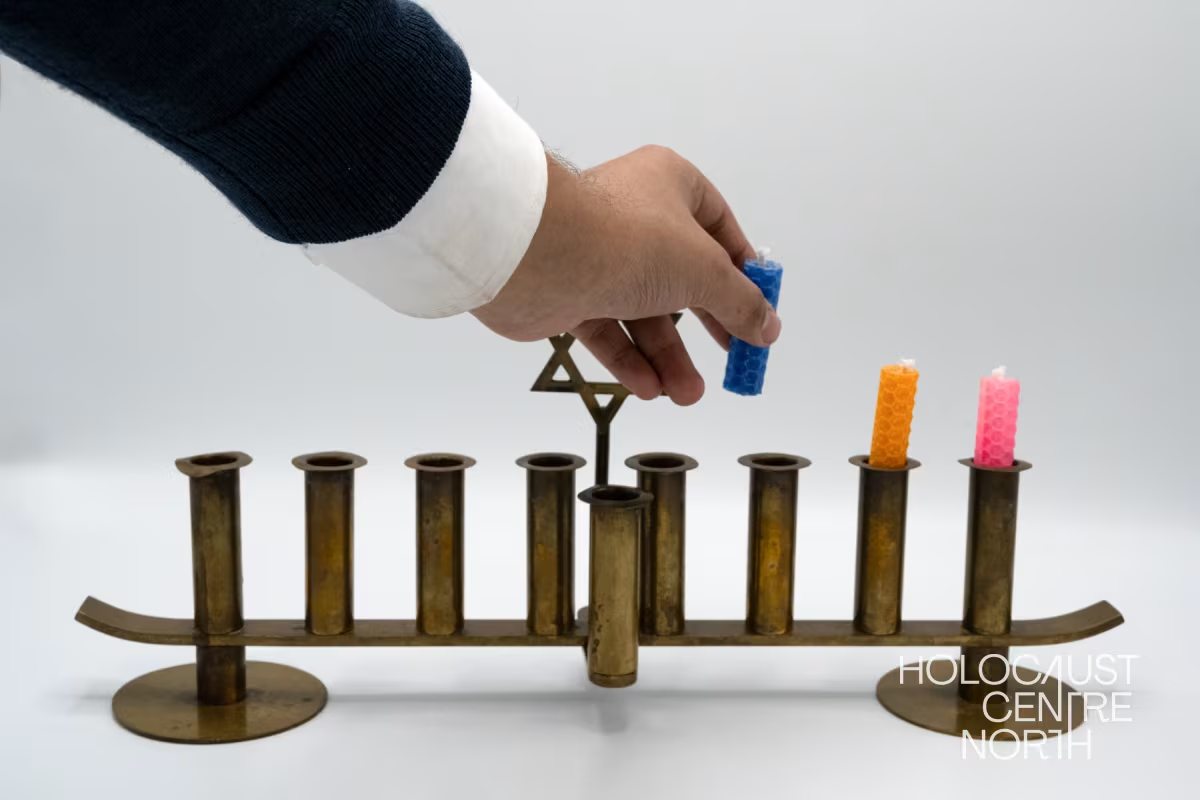
Metal hanukkiah (Hanukkah candelabrum) created in 1939 by one of the Hostel boys and gifted to Marie Eger. It has been treasured by Marie's family and used to celebrate Hanukkah for several generations.
Courtesy of the Eger family archive
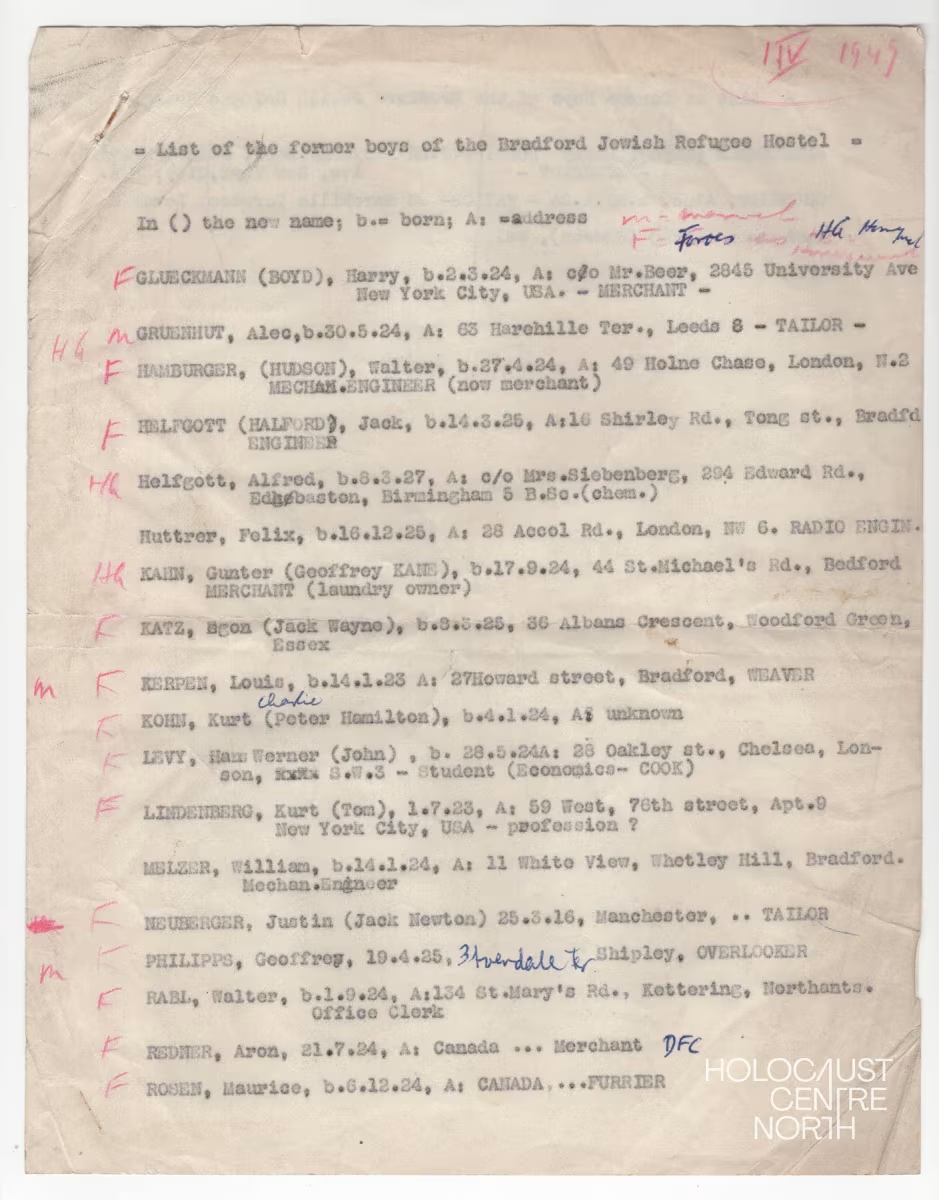
List of the “former boys” as of 1949, showing their old/new names, birthdays, addresses and occupation as well as whether they were “m” for married, “F” in the armed forces, or “HG” with the Home Guard.
Courtesy of the Eger family archive
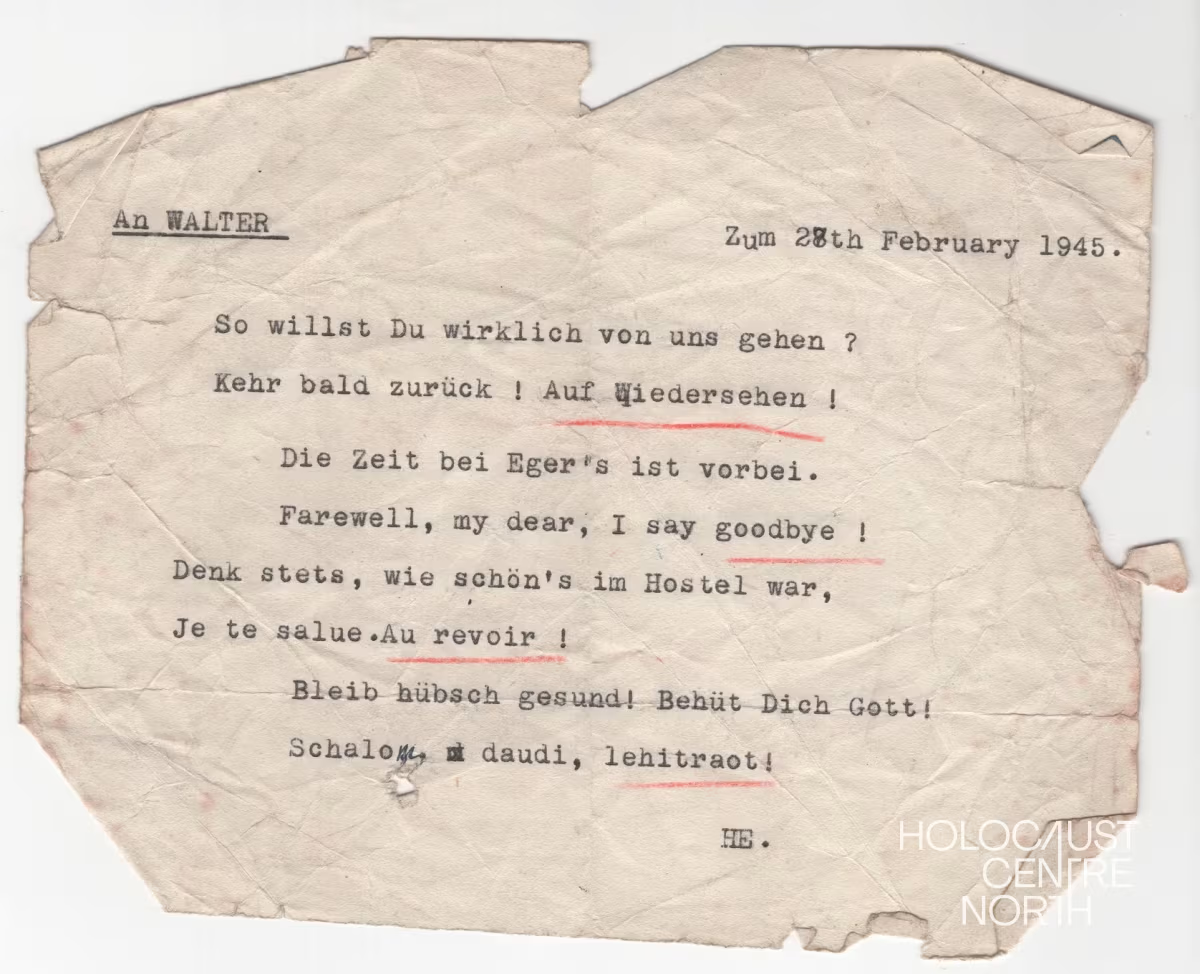
Herbert Eger’s affectionate multi-lingual, goodbye poem gifted to Walter when he left the Hostel in 1945. Herbert ends in Hebrew: Peace from Uncle, Goodbye.
Courtesy of the Eger family archive
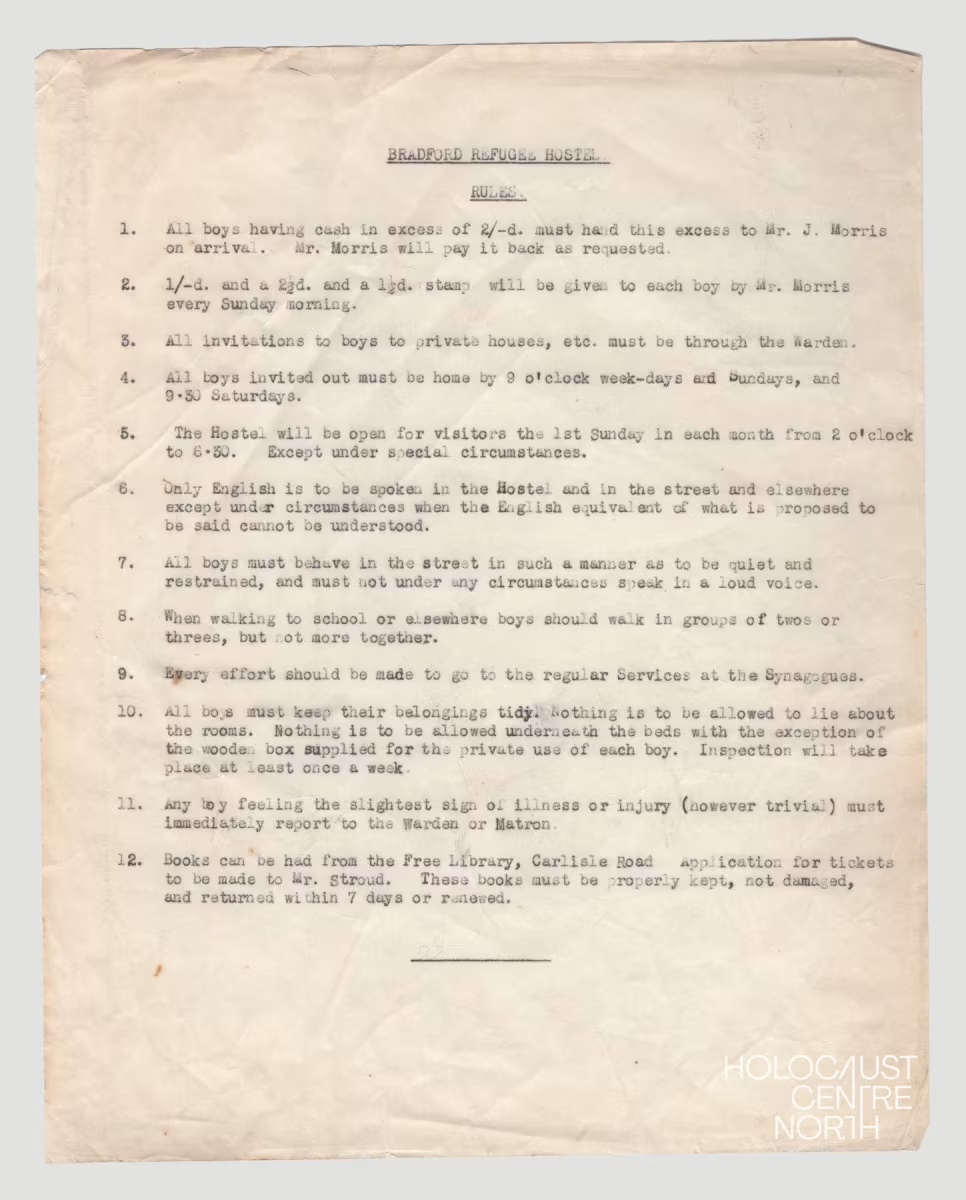
Hostel rules from 1939, emphasising “only English to be spoken”. Avoiding German was not only for the boys’ education and integration, but for their safety in public places during wartime.
Courtesy of the Eger family archive
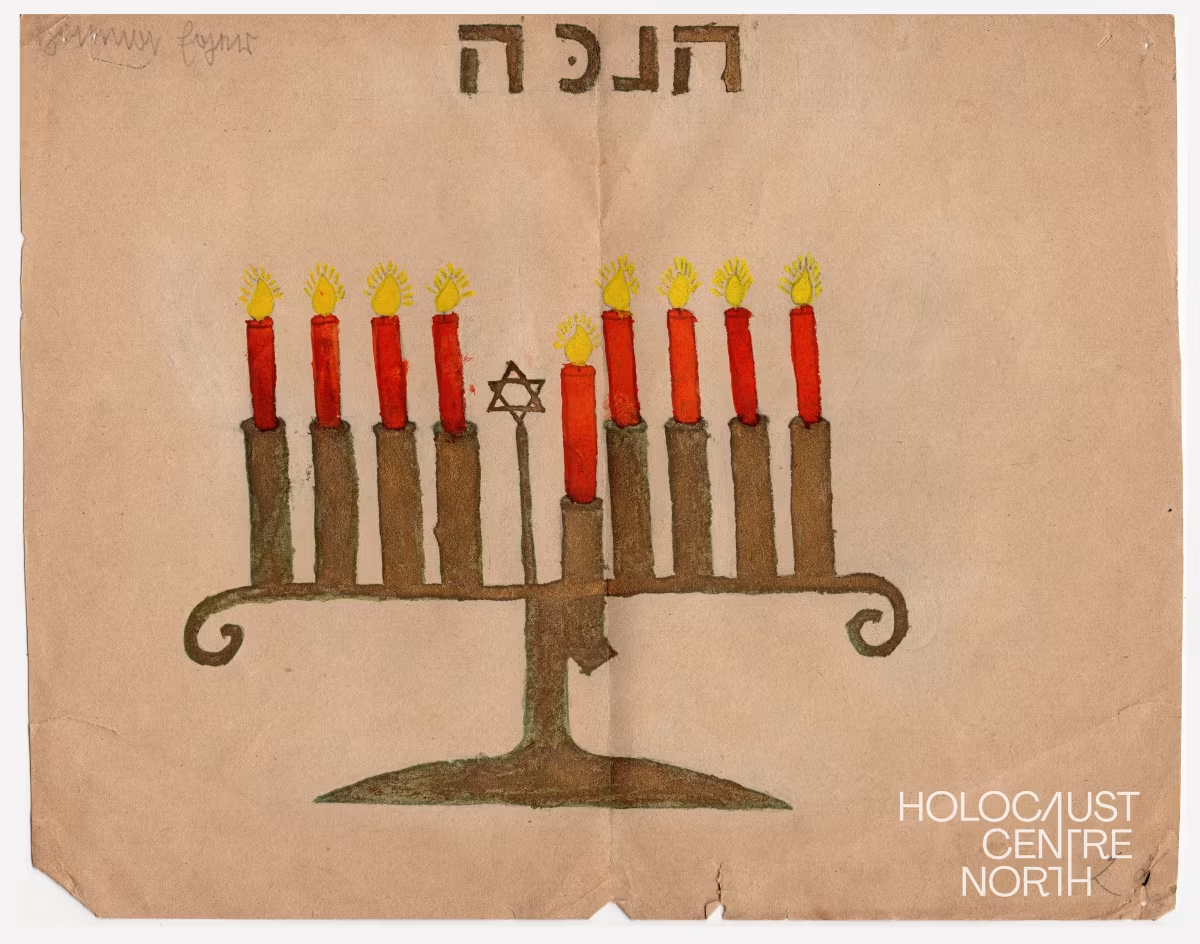
Beautiful illustration created by 11-year-old Hanna-Ruth Eger for her first Hanukkah in England, 1939. The Hebrew title is 'Hanukkah' (although one letter is missing), and all the candles are lit, marking the final night of the festival.
Courtesy of the Eger family archive
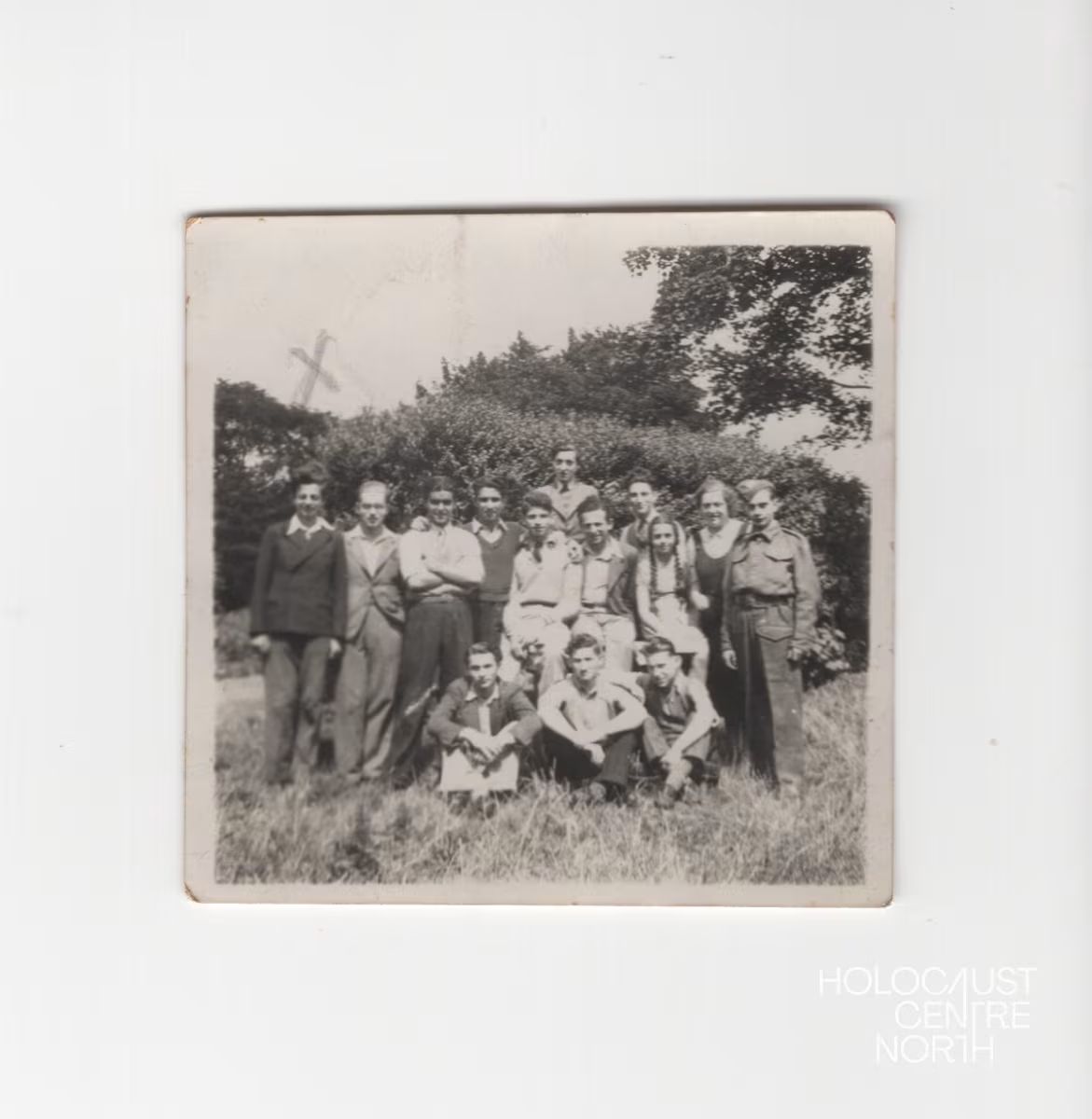
Marie, Hanna-Ruth and Kurt-Leo Eger with Hostel residents including Fritz Terkfeld, William Melzer, Robert Sharp, John Levy, Rosen, Kahn, Herbert Rosinger, David Wilpred, Max Salomon and Joe Spiegel.
Courtesy of the Eger family archive
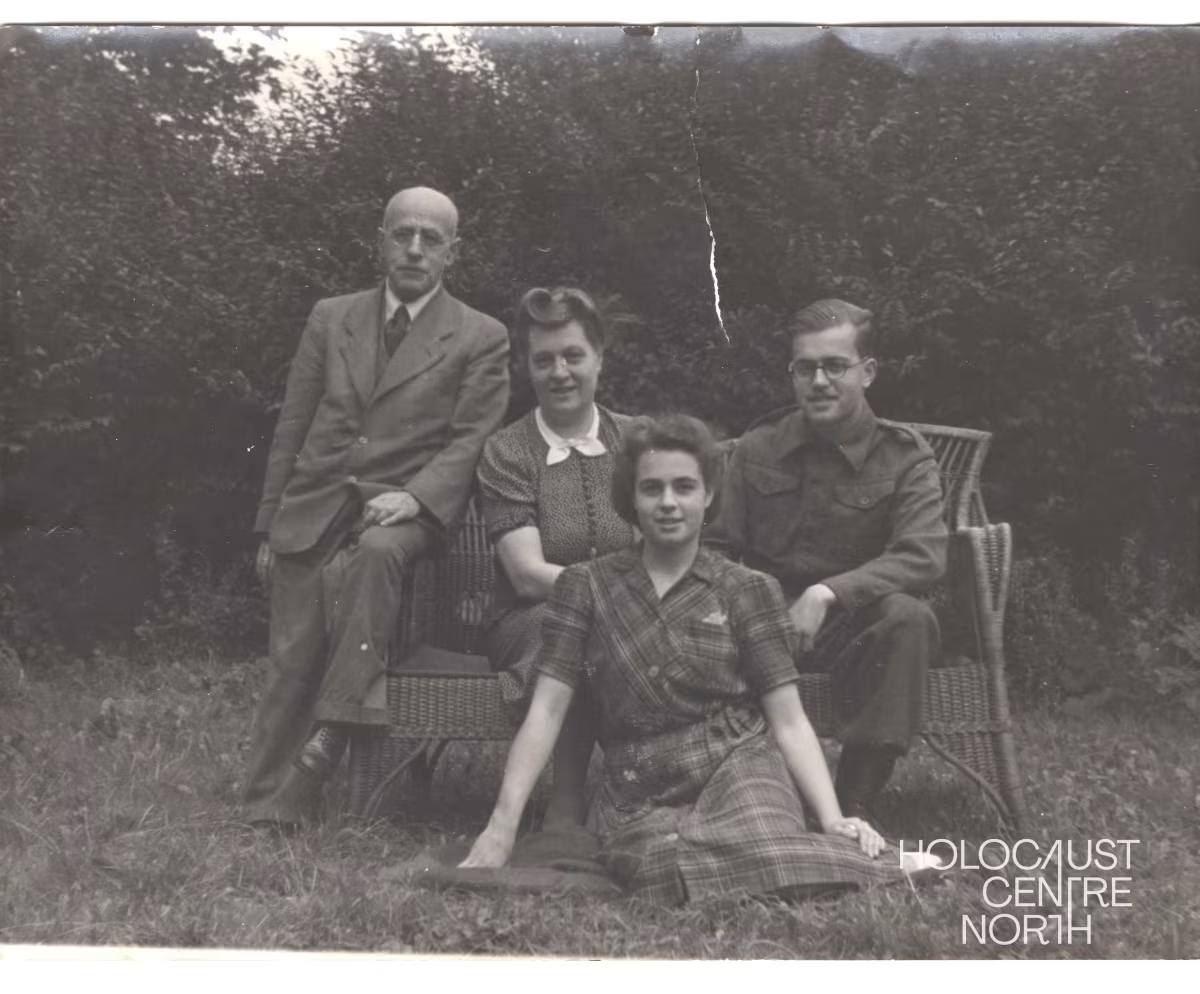
The Eger family relax together in the Hostel garden: Herbert and Marie, with their children Hanna-Ruth and Kurt-Leo in his Home Guard uniform.
Courtesy of the Eger family archive
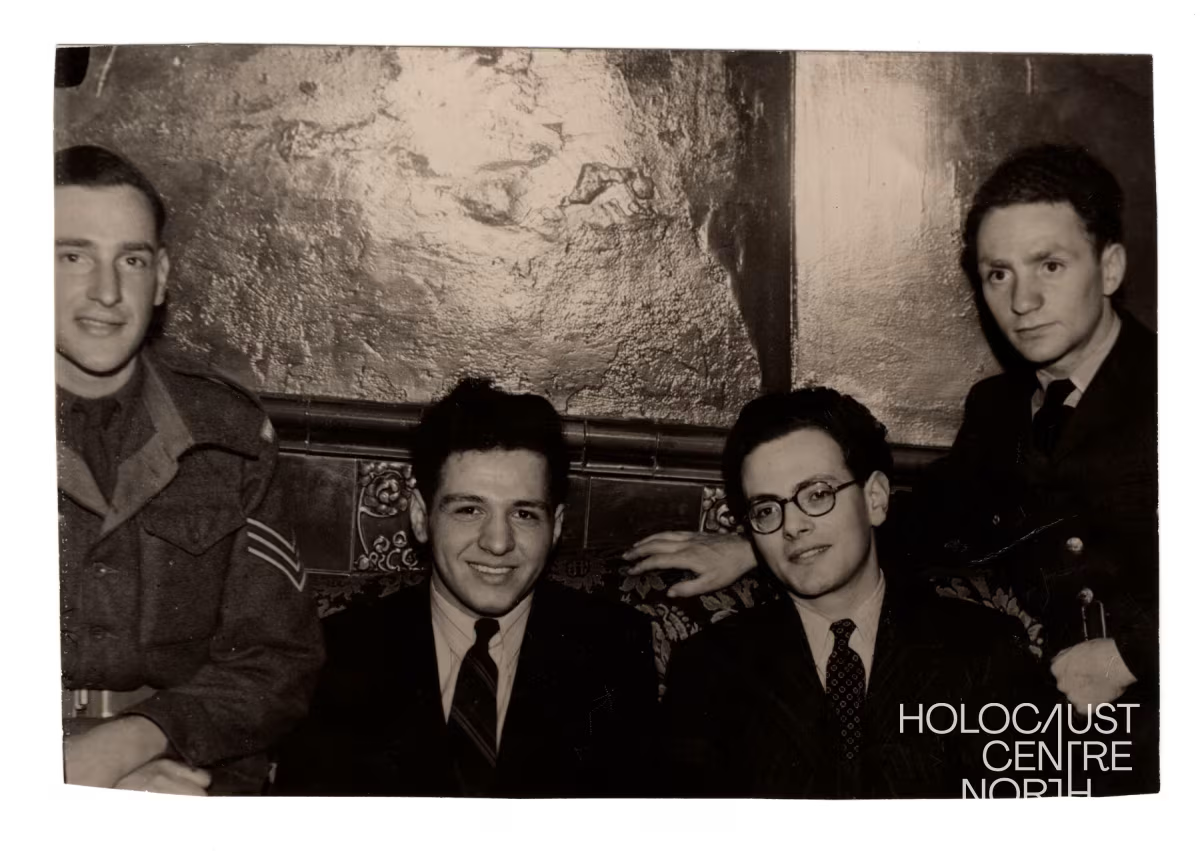
1946 reunion of the Hostel “lads” who worked for Bradford textile company Stroud Riley during the war. Includes Walter Rabl, Felix Huttrer, Alfred Helfgott.
Courtesy of the Rabl family
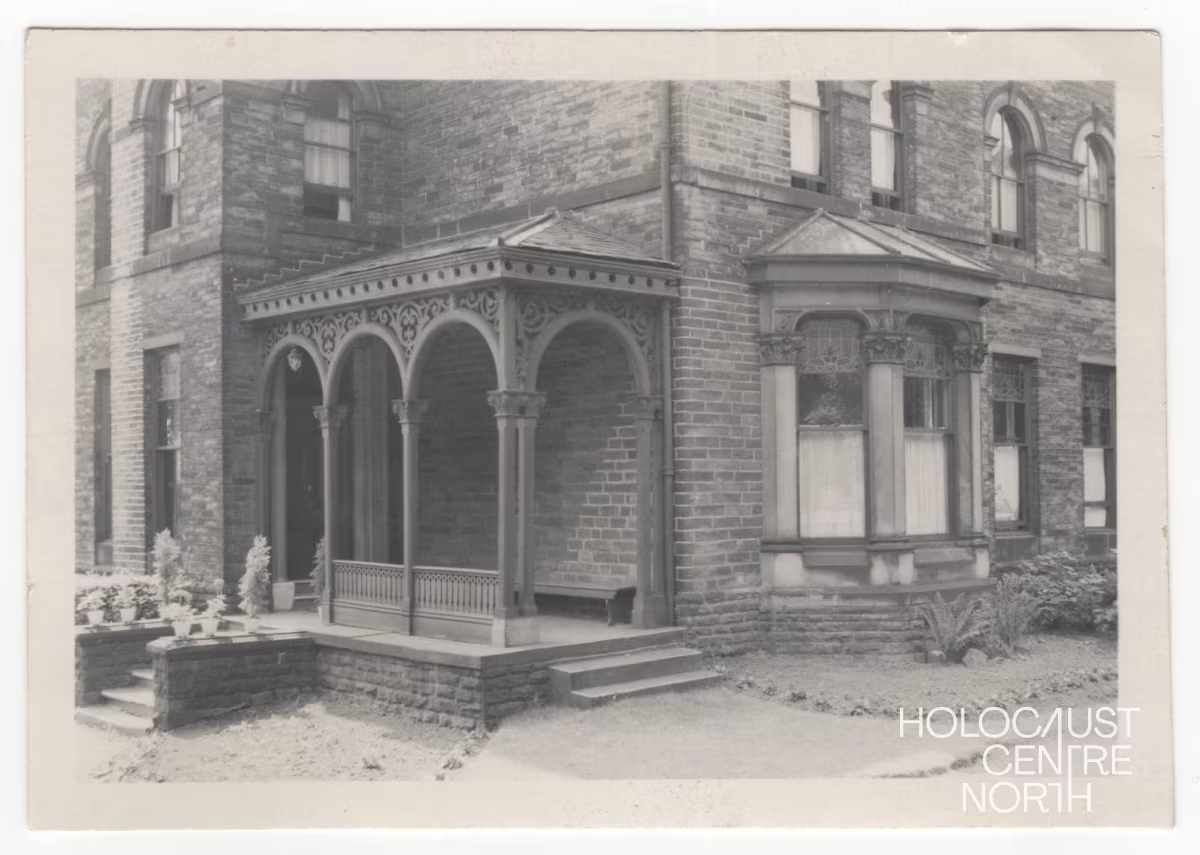
Courtesy of the Eger family archive
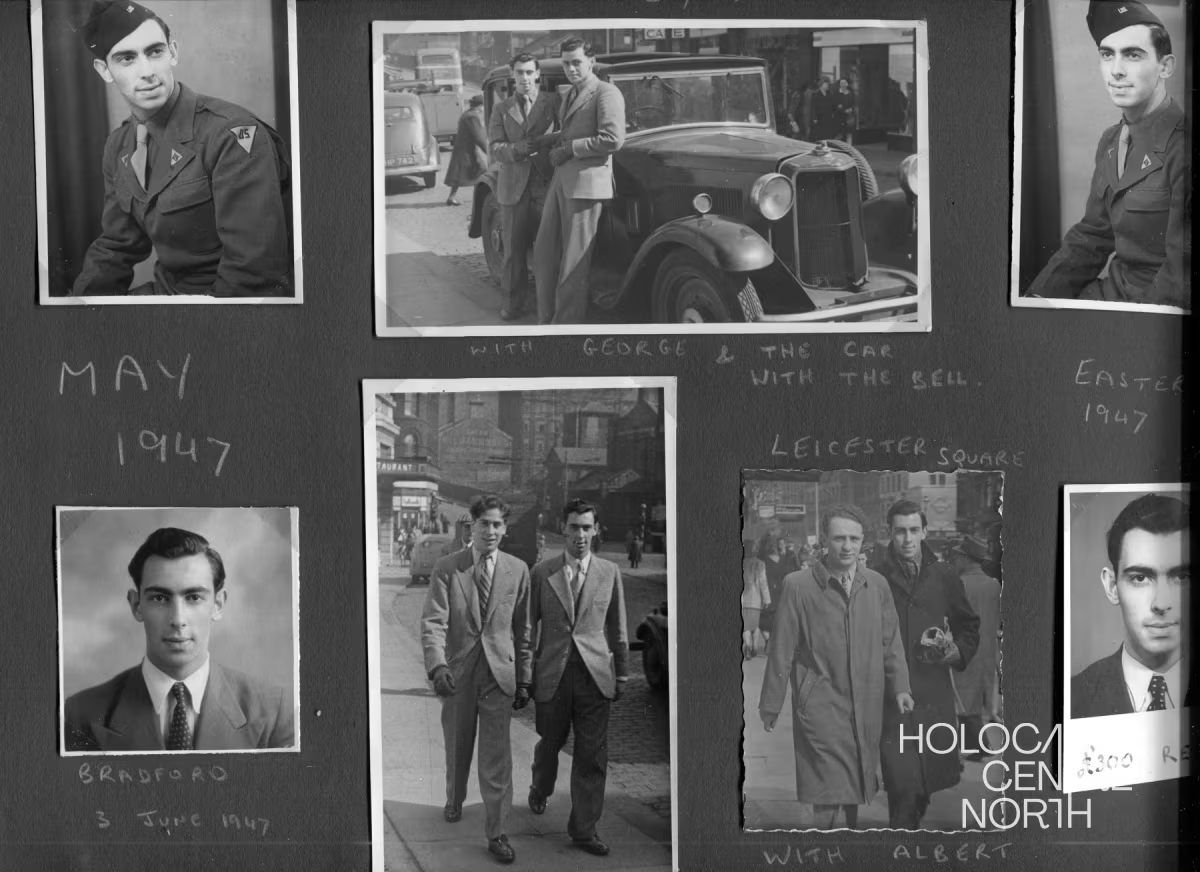
Courtesy of David Berglas


The Hostel was first overseen by Mr and Mrs Auerbach. After their emigration to the United States, its daily life was entrusted to Herbert and Marie Eger –– themselves refugees who had escaped Berlin with the help of fellow Jewish émigrés Hans and Lulu Librowicz (parents of Rudi Leavor). The Egers came to Britain with their two young children, Kurt-Leo and Hanna-Ruth, the only girl to live in the Hostel.
Herbert and Marie were parent-like figures who brought warmth and structure to the boys’ lives. Herbert showed his affection and creativity by writing verses for them, small poems that transformed the rules of the Hostel into something gentler, more humane. The Egers stayed in touch with many of the residents for decades, as shown in home videos from Israel, cheerful holiday postcards, letters filled with gratitude and memory.
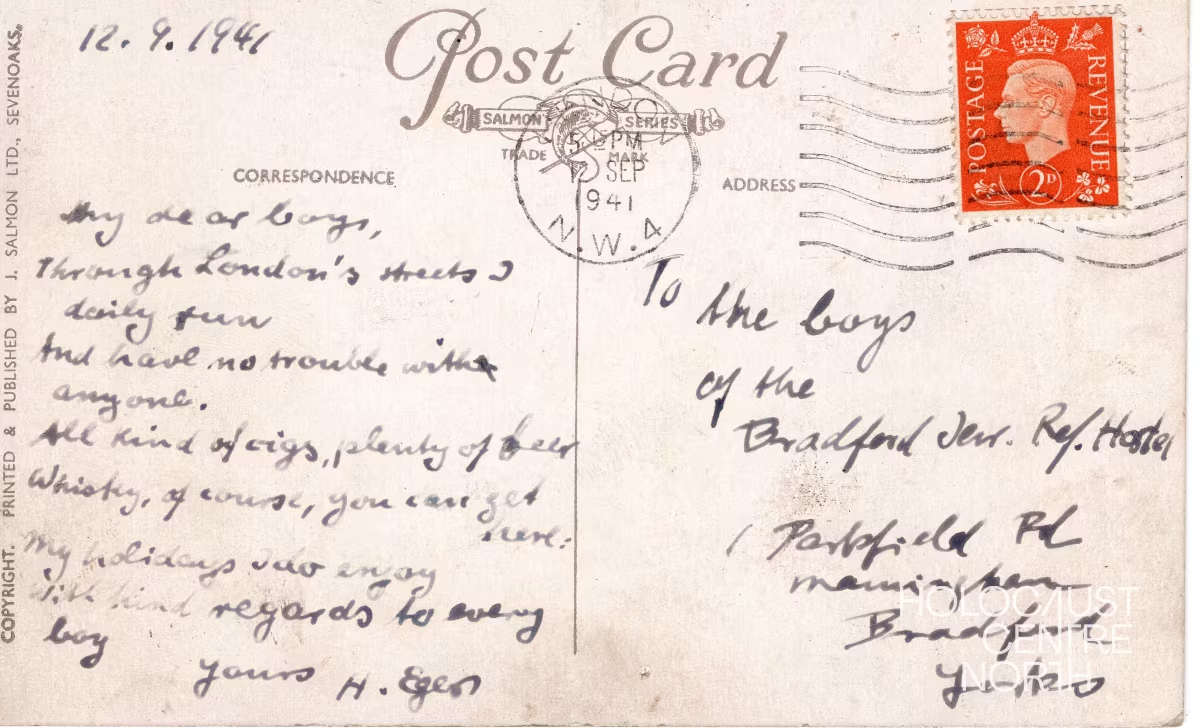
Poetic postcard sent by Herbert to the Hostel “dear boys” in 1941. He writes: Through London’s streets I daily run / And have no trouble with anyone / All kinds of cigs, plenty of beer, whisky, of course, you can get here / My holidays I do enjoy / With kind regards to every boy.
Courtesy of the Eger family archive
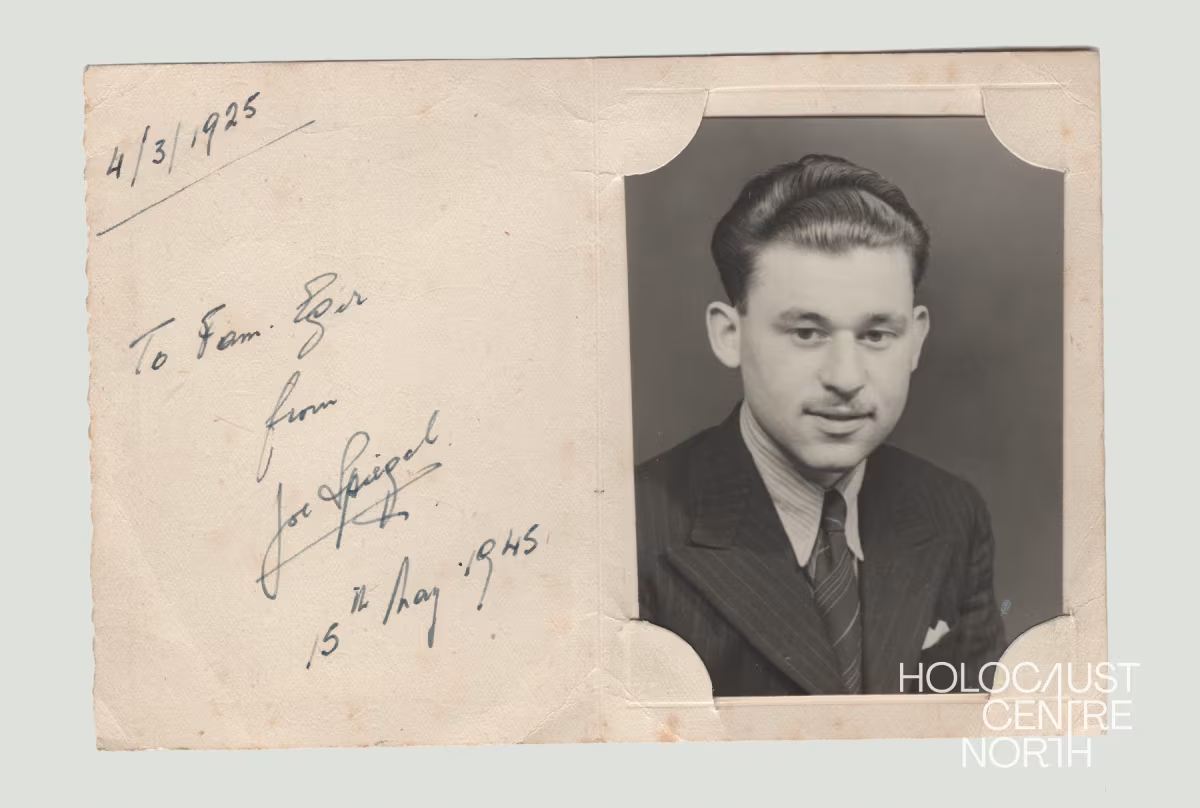
Studio portrait of Joe Spiegel in May 1945. One of many photos sent “To Family Eger” by former residents and lovingly kept by Herbert and Marie.
Courtesy of the Eger family archive
Life in the Hostel was ordinary and extraordinary at once. There were rules. English must be spoken, prayers observed, chores shared. Yet there was laughter too, and mischief. Memories recorded by the “boys” for their fiftieth-anniversary reunion in 1989 recall the smell of tinned food, the ache of constant hunger, the thrill of pocket money, and trips to the local cinema. These fragments form a portrait of adolescence remade in exile: homesickness tempered by solidarity.
As the war progressed at least 15 of the boys voluntarily joined the British Army, serving in the Pioneer Corps, Home Guard, and Royal Air Force amongst other branches, showing gratitude to the country that had taken them in. They grew up to become engineers, businessmen, tailors, scientists. Their lives stretched out across Yorkshire, around England and beyond oceans, although very few, if any, returned to Europe.
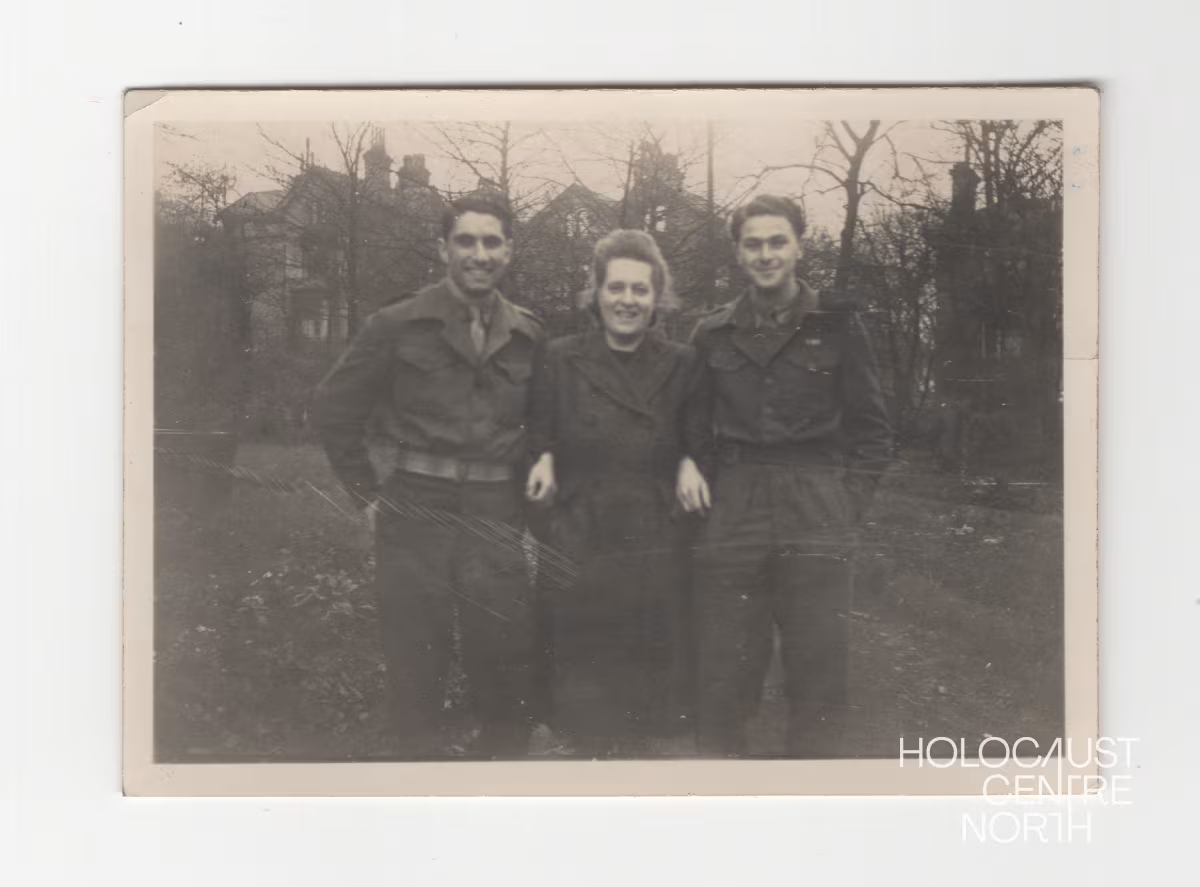
Wartime photo of Hostel warden Marie Eger with Robert Sharp and Louis Kerpen, who, like many of the “boys” volunteered for or joined the armed forces once they were old enough.
Courtesy of the Eger family archive
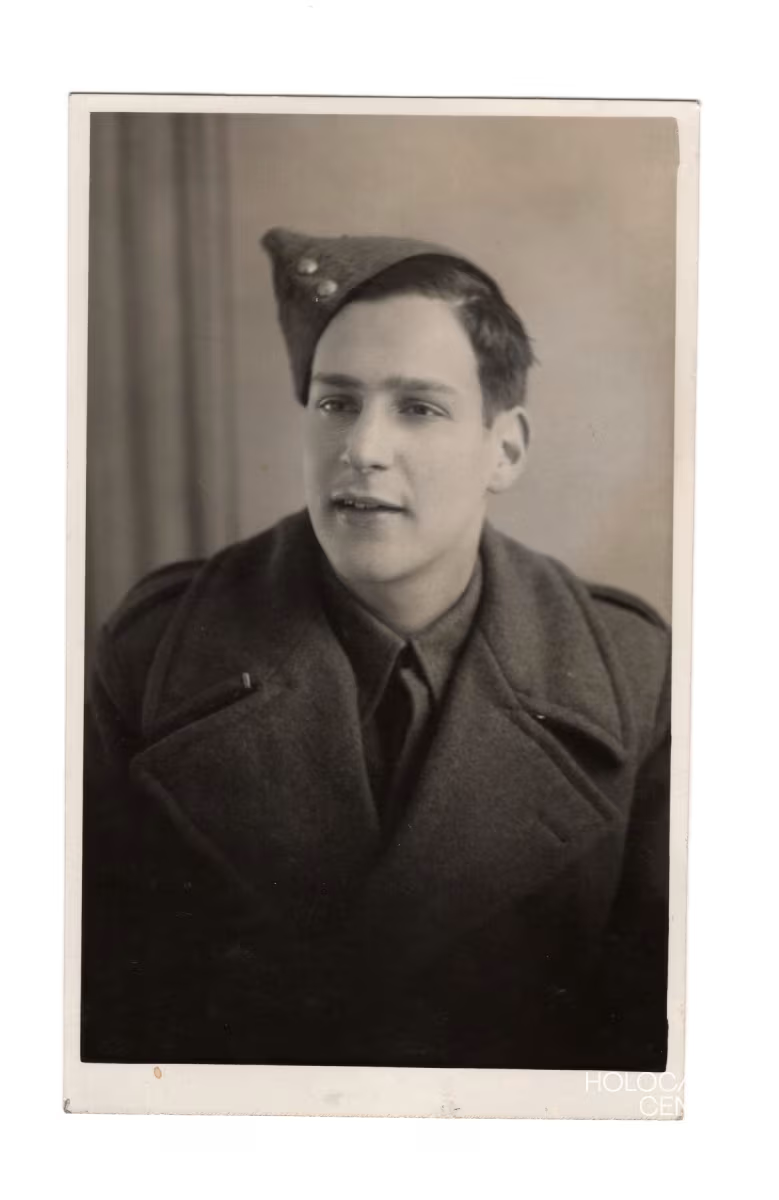
Hostel resident Walter Rabl in his uniform, 1943. The reverse of the photo reads: Bradford - a "rookie" just joined the Pioneer Corps of the British Army.
Courtesy of the Rabl family
Courtesy of David Berglas
After the war the Hostel became a hotel and later the building was repurposed. Today, if you passed the building you might not realise it was once a home to Jewish refugees but its legacy is written in the lives that passed through it, and in particular those who stayed in Bradford, such as local businessman Albert Waxman, founder of Waxman Fibres.
The photographs, letters, objects and poems that survive, some of which are now preserved in this collection, gifted by one of the Egers’ grandchildren, are, yes, fragile but radiant. They capture the texture of care: handwritten menus, group portraits in the garden, typewritten reports that reveal tenderness beneath bureaucracy.
We know many of the boys’ names, though some were changed or anglicised to blend in, for instance when they joined armed forces or moved abroad, reflecting their changing identities as they grew up. As well as Albert Waxman, we materials relating to residents Walter Rabl and David Berglas, and information or photos for the following boys:
Harry Boyd (H. Glueckmann)
Gerald Flehinger
Fred Friedlaender
Alec Gruenhut
Walter Hudson (W. Hamburger)
Jack Halford (Isaac Helfgott)
Alfred Helfgott
Felix Huttrer
Geoffrey Kane (Gunter Kahn)
Jack Wayne (Egon Katz)
Louis Kerpen (Ludwig K.)
Peter and/or Charlie Hamilton (Kurt Kohn)
John Levy (Hans Werner L.)
Tom Lindenberg (Kurt L.)
William Melzer
Jack Newton (Justin Neuberger)
Edward Ohrenstein
Geoffrey Phillips (Gunter P.)
Aron Redner
Maurice Rosen (Moritz R.)
Herbert Rosinger
Max Salomon
Robert Sharp (R. Scharff)
Edward Stevens (E. Silberbush)
Joe Spiegel (later Haim Alroy)
Otto Stead (O. Steigerwald)
Fred Terkfeld (Fritz T.)
Walter Winstone (W. Weinstein)
Davis Wilpred
George Zeisler (Lutz Z.)
As well as the following boys whose full names are currently unknown: Ash, Gruenewald, Schwarz, Wiener, and Waitzmann.
And yet, many stories remain untold. If you recognise any of these names or have any other connections to the Hostel, please get in touch. Every new detail and precious photo named sharpens the focus, brings another life back into view, and keeps the light from fading.
Read more about the Hostel and Bradford in our Collections catalogue and on our blog. Between 2024-2025, Herbert and Marie’s grandchild generously gifted more of her family archive to this collection; cataloguing of this additional material will begin in 2026. There are also records relating to the Hostel at the West Yorkshire Archive Service in Bradford.